

What Does ‘Cut’ Really Mean?
The most important of the 4C’s is the cut of a diamond. Most consumers believe that cut refers to the **shape** of the diamond (round, oval, princess), which it does. However, a more critical aspect often overlooked by retail stores is the diamond's internal **geometry and proportions of the facets**.

In an **ideally cut diamond**, the geometry and proportions of the facets are engineered so that light entering through the table travels to the pavilion and is perfectly reflected to the other side before being directed back out of the table to your eye, maximizing brilliance.
In a **poorly cut diamond** (one that has been cut too deep or too shallow), the light is not reflected back off the pavilion. Instead, it is lost through the sides and bottom of the diamond, leading to less brilliance and correspondingly less value. Unfortunately, some diamond cutters will sacrifice geometric quality to maximise size. **Jewellery Connection recommends only purchasing diamonds that are graded as “Excellent” or “Very good” cuts** by an independent grading laboratory.
To understand the full context of quality: **Learn about the 4Cs** that define every diamond we select in **diamond cut South Africa**.
Visualizing the Difference in Light Return.
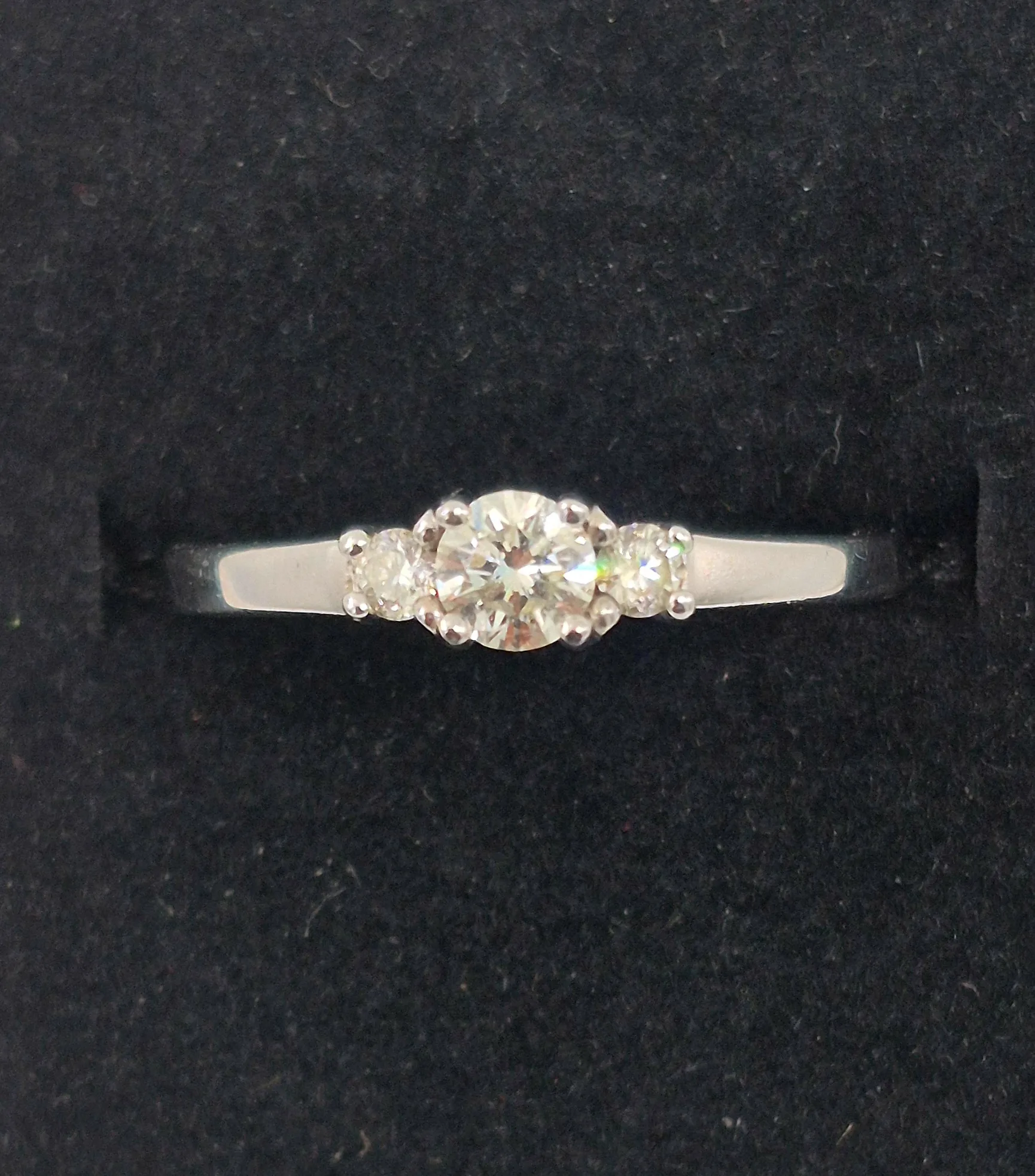


Explore the Most Popular Diamond Shapes.
While cut quality dictates sparkle, the shape is all about personal style and preference. Here is a guide to the most popular shapes we offer.

Round Brilliant Cut
The most popular style of diamond cut. This diamond has 57 or 58 facets and is prized for its unparalleled brilliance and fire.

Emerald Cut
A rectangular or square step cut with diagonally cut corners and rows of facets parallel to the girdle. Known for its elegant, vintage, and clear hall-of-mirrors effect.

Pear
A beautiful variation of the brilliant cut with a pear-shaped girdle outline and 56 to 58 facets. Also called pendeloque or teardrop, it's famous for its slimming effect on the finger.

Princess
A popular square or rectangular modified brilliant cut, usually with 57 facets (or sometimes 144). It combines the angular shape of a square with the fire of a round brilliant.

Marquise
An elongated, boat-shaped brilliant cut with curving sides and pointed ends. Developed in 1740s France, it's also called navette and provides maximum size appearance.

Heart
A modified brilliant cut shaped like a heart, symbolizing love. It has a table, 32 crown facets, 24 pavilion facets, and a shield-shaped culet.

Oval
A brilliant cut with an elliptical girdle outline. Also called an oval brilliant cut, it offers excellent brilliance and an elongated look.